Adaptive Reuse: How Existing Buildings Help Revitalize Downtowns
“It’s like an industrial cathedral,” said AVID partner Ian Jones as he stepped out of the stairwell to the third floor of the former Philadelphia Rubber Works building. Tall windows faced the canal while a monitor running the length of the building reached twenty-five feet above the floor. Clerestory windows on either side bathed the space in light, green from corrugated panels added over the partially glazed window frames. Built in 1910, this former rubber reclaiming plant is ready for its next act.
For years, however, the future of the Philadelphia Rubber Works building was uncertain. Vacant and increasingly vulnerable to vandalism and deterioration, the building had become a reminder of Akron's industrial past rather than a contributor to its future. Today, plans are underway to reposition the former factory as multifamily housing, helping address a growing demand for downtown living while returning a long-neglected property to productive use.
Philadelphia Rubber Works is one example of a transformation happening across the country. As cities look for ways to create housing, attract investment, and strengthen downtown districts, existing buildings are finding new life as apartments, retail destinations, workplaces, and mixed-use developments.
Known as adaptive reuse, this development approach goes beyond preserving historic structures. It creates opportunities to reinvest in the buildings that already shape a community's identity while positioning them to serve current needs.
This article explores the factors that make adaptive reuse projects successful, the challenges developers should anticipate, and why communities should see existing buildings as assets rather than obstacles.
Why Adaptive Reuse Matters in Today’s Cities
Many cities already have the physical infrastructure needed for revitalization. Adaptive reuse architecture allows developers and city leaders to preserve the character and value of existing structures while introducing new uses that bring them back into the community.
The challenge is no longer building entirely new districts from scratch.
According to AVID Partner, Ian Jones, “adaptive reuse gives cities the opportunity to respond to changing market needs without building new.”
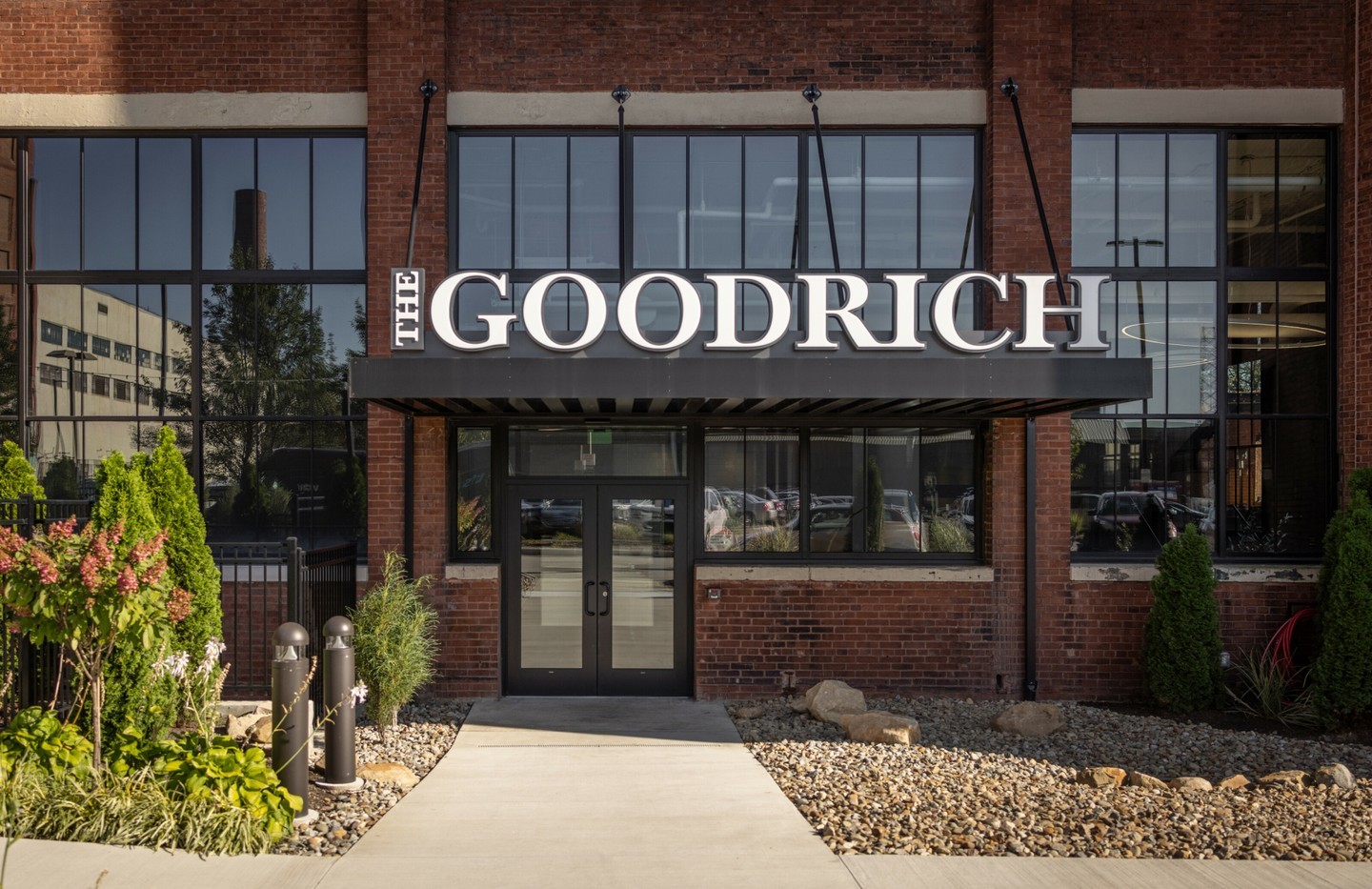
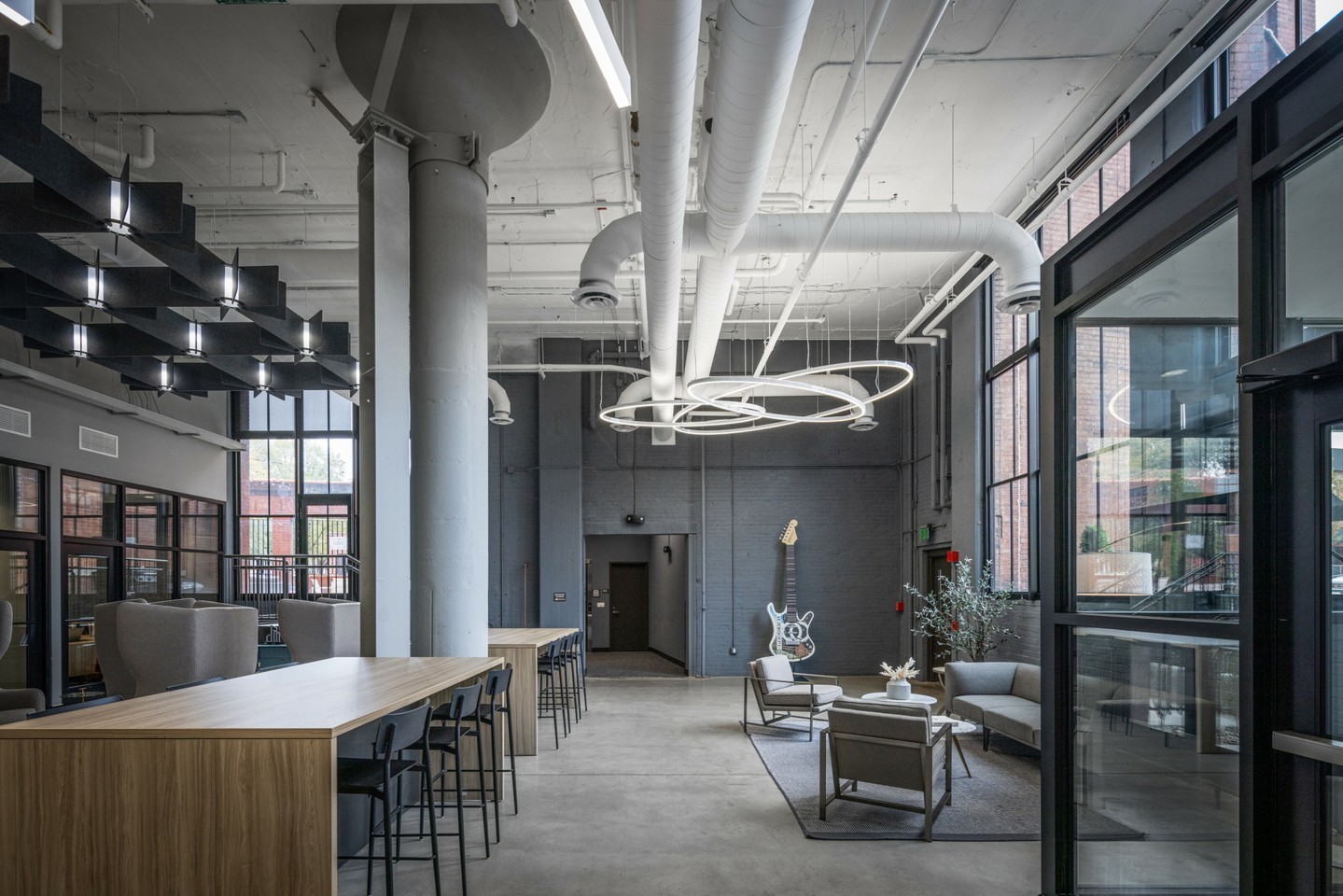
In downtown Akron, projects like The Goodrich and Philadelphia Rubber Works demonstrate how former industrial buildings can be transformed into multifamily housing while preserving the historical character that makes them unique to Akron. These developments are bringing new residents, activity, and investment back into the city.
As office demand continues to shift nationwide, a new wave of adaptive reuse opportunities is emerging. Cities are increasingly evaluating how underutilized office buildings can support housing, hospitality, and mixed-use environments.
What Makes a Good Candidate for Adaptive Reuse?
Not every historic building is a strong candidate for adaptive reuse. Successful projects depend on a combination of factors that work together, including location, structural capabilities, current conditions, and financial incentives.
Buildings positioned within established downtown districts, emerging redevelopment corridors, or Opportunity Zones often offer stronger potential because they are already connected to the community and infrastructure and often qualify for financial incentives or special funding.
Structural characteristics also play a major role.
“These old industrial buildings were built like tanks,” Jones says. “They often have the structural capacity and space ideal for multi-family housing and mixed-use developments, with the capacity to integrate modern features and amenities.”
These factors made The Goodrich an ideal candidate. The former industrial building sits within Akron’s urban core, has a robust concrete structure with floor-to-floor heights from 11 to 22 feet, and qualified for financial incentives, like historic tax credits.
But not every project starts with ideal conditions.
Some buildings present significant challenges due to prolonged vacancy, deferred maintenance, or structures that are difficult to convert to other uses.
Water intrusion, vandalism, environmental remediation, and the loss of historically significant features can all increase rehabilitation costs and jeopardize financial incentives such as historic tax credits.
“Water is usually the biggest red flag,” Jones explains. “Once water starts getting into a building, everything becomes more difficult.”
That is why early due diligence plays such a critical role in adaptive reuse projects. Before acquisition, developers often engage architects and consultants to conduct feasibility assessments, fit studies, and existing conditions evaluations that help identify both opportunity and risk before major investments are made.
Why Adaptive Reuse Requires a Different Design Approach
Adaptive reuse architecture requires a fundamentally different mindset than designing on a blank site.
Rather than creating entirely new conditions, architects are working within an existing framework shaped by structural systems, historical significance, building code limitations, and physical constraints.
According to Jones, “With adaptive reuse, you’re designing within the story the building already gives you.”
That process begins early, often before a property is even acquired.
Architects play a critical role in helping developers evaluate whether a building can support the intended program. Early fit plans, feasibility assessments, and code analyses help owners avoid investing heavily into properties that ultimately prove financially or operationally impractical.
Historic preservation coordinationbecomes a significant part of the process for many adaptive reuse projects. Existing conditions assessments document historically significant elements, identify character-defining features, and help determine what must be preserved and restored during the design process.
At the same time, projects must meet current code requirements for life-safety, accessibility, comfort, and energy performance. That creates a delicate balancing act.
The challenge becomes especially complex when buildings undergo a change in use. Converting office space into multifamily housing, for example, often triggers substantial code upgrades related to egress, fire protection, accessibility, and mechanical systems.
“There’s an education component with every adaptive reuse project,” Jones says. “Clients need to understand that changing a building’s use can largely make you start over from a code standpoint.”
Still, these challenges are often what make adaptive reuse projects uniquely rewarding. Constraints force creativity. Existing structures possess character that cannot easily be replicated. And projects feel connected to their communities when they preserve recognizable pieces of local history.
Adaptive Reuse as a Long-Term Revitalization Strategy
As cities continue to adapt to changing economic conditions, adaptive reuse trends will evolve alongside them.
- Office-to-residential conversion remains one of the fastest-growing redevelopment sectors nationwide.
- Industrial building conversion projects continue to reshape former manufacturing districts into mixed-use neighborhoods.
- Historic building renovation projects are helping communities preserve identity while supporting new economic activity.
But long-term success requires balance.
As Jones emphasizes, “For a vibrant downtown, you need all types of uses. Residential alone is not enough. You need office, retail, hospitality, and community activity working together.”
By transforming existing buildings for new purposes, adaptive reuse helps create the diverse mix of uses needed to support vibrant downtowns.
Importantly, these opportunities are not limited to major metropolitan areas. Mid-sized cities, suburban downtowns, and legacy manufacturing communities all house buildings with untapped value. In many cases, the buildings themselves already have the character and central locations that communities are trying to recreate through new development.
Adaptive reuse simply allows them to evolve.
Looking Ahead
Great cities aren’t built all at once. They thrive on continued investment, adaptation, and the willingness to see potential in forgotten places.
Philadelphia Rubber Works is one example of that transformation in action. What was once a vacant and deteriorating industrial facility is being repositioned to meet a growing demand for housing while contributing to the ongoing revitalization of downtown Akron.
Adaptive reuse is ultimately about more than preserving buildings. It is about creating opportunities, strengthening communities, and helping existing places evolve to meet future needs. Whether transforming an industrial facility into housing, repositioning an office tower, or revitalizing a historic downtown landmark, successful redevelopment begins with understanding both the building itself and the larger role it can play within the community.
If you are exploring redevelopment opportunities or evaluating the potential of an existing property, the AVID team is ready to help you assess what is possible and develop a strategy that aligns design, financing, and long-term community impact.